
Preguntas frecuentes sobre Helpie
- Otras relaciones familiares
Si eres hijo soltero menor de 21 años de un ciudadano estadounidense, o si eres padre o madre de un ciudadano estadounidense que tenga al menos 21 años, podrías cumplir los requisitos como familiar directo de un ciudadano estadounidense.
Además, puedes cumplir los requisitos si eres hijo o hija soltero/a de un ciudadano estadounidense y tienes 21 años o más, hijo o hija casado/a de un ciudadano estadounidense, o hermano o hermana de un ciudadano estadounidense que tenga al menos 21 años.
También puedes tener derecho a obtener una tarjeta verde si tienes parentesco con un residente permanente legal, pero para ello debes ser hijo soltero de dicho residente permanente legal.
- Solicitante por iniciativa propia en virtud de la VAWA
Si eres el cónyuge maltratado de un ciudadano estadounidense o de un residente permanente legal, el progenitor maltratado de un ciudadano estadounidense o un menor maltratado soltero y menor de 21 años, es posible que puedas solicitar al Gobierno de EE. UU. tu propia tarjeta de residencia.
Relacionado: Seis formas de evitar la deportación
- Empleo
Es posible que puedas solicitar una tarjeta de residencia como trabajador inmigrante, médico o inversor inmigrante. Se trata de una categoría especial para las personas que entran dentro de las categorías de «preferencia», lo que significa que algunas personas son candidatos con mayor prioridad para obtener la tarjeta de residencia.
Si tienes una capacidad extraordinaria en el ámbito de las ciencias, las artes, la educación, los negocios o el deporte, si eres un profesor o investigador destacado, o si eres un directivo o ejecutivo de una empresa multinacional que cumple determinados criterios, eres un trabajador inmigrante de primera preferencia.
Si ejerces una profesión que requiere un título de posgrado, tienes una capacidad excepcional en el ámbito de las ciencias, las artes o los negocios, o si solicitas una exención por interés nacional, es posible que seas un trabajador inmigrante de segunda preferencia.
Por último, si eres un trabajador cualificado que desempeña un puesto que requiere un mínimo de dos años de formación o experiencia laboral, un profesional que desempeña un puesto que requiere, como mínimo, una licenciatura estadounidense o su equivalente extranjero (y eres miembro de dicha profesión), o un trabajador no cualificado que realiza tareas no cualificadas que requieren menos de dos años de formación o experiencia, puedes cumplir los requisitos para ser considerado trabajador inmigrante de tercera preferencia.
Si eres médico y vas a trabajar en una zona desatendida designada durante un periodo de tiempo concreto (y cumples determinados requisitos de elegibilidad), también podrías tener derecho a una tarjeta de residencia basada en el empleo. Del mismo modo, si ha invertido o está participando activamente en el proceso de inversión de al menos 1,8 millones de dólares (o 900 000 dólares en una zona de empleo específica) en una nueva empresa comercial que vaya a crear al menos 10 puestos de trabajo a tiempo completo para empleados que cumplan los requisitos, puede tener derecho a una tarjeta de residencia basada en el empleo.
- Requisitos para obtener la tarjeta verde como inmigrante especial
Algunas personas cumplen los requisitos para obtener la tarjeta de residencia porque se les considera «inmigrantes especiales». Los inmigrantes especiales suelen ser:
- Trabajadores religiosos
- Menores inmigrantes especiales, es decir, menores que necesitan la protección de un tribunal de menores debido a malos tratos, abandono o negligencia por parte de uno de sus progenitores
- Las personas que trabajaron como traductores o intérpretes afganos o iraquíes para el Gobierno de EE. UU., o que estuvieron empleadas por el Gobierno de EE. UU. o por la Fuerza Internacional de Asistencia para la Seguridad
- Cadenas internacionales
- Empleados de organizaciones internacionales o sus familiares, o empleados de la OTAN-6 o sus familiares
Es posible que estas categorías no se apliquen a tu caso, sobre todo si solo viniste a EE. UU. para casarte con tu ahora ex cónyuge.
Relacionado: 10 cosas que debes saber sobre la naturalización
- Requisitos para obtener la tarjeta verde mediante la condición de asilado o refugiado
If you were admitted to the United States at least one year ago as a refugee or asylee, you may qualify for a green card, regardless of your marital status.
Refugees are those who are granted permission to come to the U.S. before arrival at a port of entry; asylees are those who ask for the United States’ protection while already inside the country.
- Requisitos para obtener la tarjeta verde a través de otras categorías
There are a few specific categories that you may qualify for if you cannot get a green card because you divorced your spouse. You may be eligible to apply under:
- Liberian Refugee Immigration Fairness, but only if you’re a Liberian national who’s been continuously present in the U.S. since November 20, 2014, or you are the child under the age of 21, or unmarried son or daughter over the age of 21 of a qualifying Liberian national.
- Diversity Immigrant Visa Program, but only if you were selected for a diversity visa in the Department of State’s diversity visa lottery.
- Cuban Adjustment Act, but only if you’re a Cuban native or citizen, or you’re the spouse or child of a Cuban native or citizen.
- Dependent status under the HRIFA, but only if you’re the spouse or child (in your case, you must be the child) of a lawful permanent resident who received a green card based on the Haitian Refugee Immigration Fairness Act
- Lautenberg parolee
- Indochinese Parole Adjustment Act of 2000, but only if you are a native citizen of Vietnam, Kampuchea or Laos who was paroled into the United States on or before October 1, 1997 from Vietnam under the Orderly Departure Program, a refugee camp in East Asia, or a displaced person camp administered by UNHCR in Thailand
- American Indian born in Canada, but only if you have at least 50 percent American Indian heritage, were born in Canada, and maintain a principal residence in the United States
- Person born in the U.S. to a foreign diplomat
- Section 13 diplomat who is unable to return home
- Requisitos para obtener la tarjeta verde mediante el registro
Si ha residido de forma ininterrumpida en Estados Unidos desde antes del 1 de enero de 1972, es posible que reúna los requisitos para solicitar la tarjeta de residencia.
- ¿Qué ocurre si no puedes aportar documentación que acredite que tu matrimonio es auténtico?
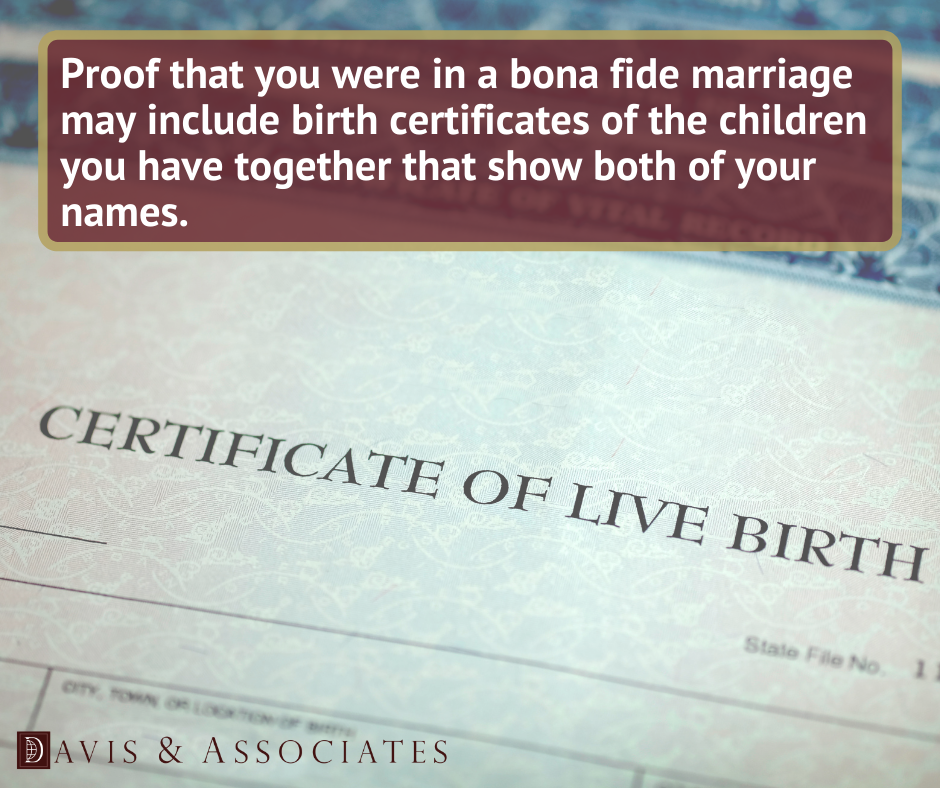 Si no puedes aportar documentación que demuestre a USCIS que mantuviste un matrimonio auténtico tras tu entrevista de naturalización, la agencia puede denegar tu solicitud. Sin embargo, no siempre es necesario presentar pruebas: es posible que solo tengas que responder a algunas preguntas durante la entrevista.
Las personas interesadas en solicitar, renovar o cambiar su nombre, en eliminar las condiciones de la tarjeta de residencia o incluso en solicitar la naturalización pueden solicitar hoy mismo una consulta gratuita.
Relacionado: ¿Qué es un matrimonio auténtico?